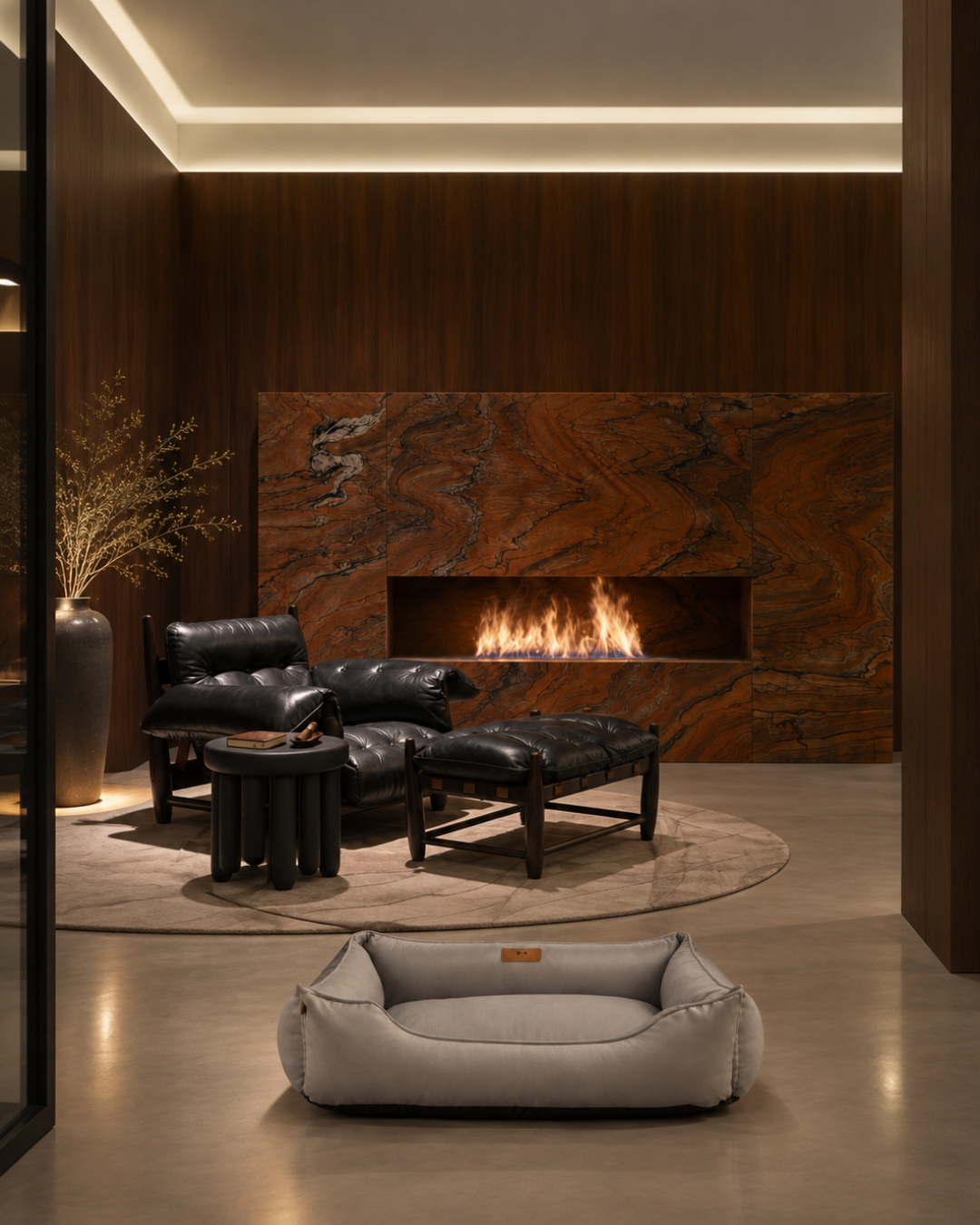
A dog’s resting environment is an integral part of its daily microclimate and plays a direct role in maintaining skin barrier integrity. Considering that dogs spend approximately 12–18 hours per day lying down, their bed becomes a constant interface between the skin, materials, and the surrounding microbial environment.
Disruptions in temperature and moisture balance can promote the overgrowth of opportunistic microorganisms, particularly yeasts such as Malassezia. These organisms are known to proliferate in warm, humid conditions, especially when the skin barrier is already compromised.
In this context, a dog bed is not merely a passive object, but can act as an active factor that either supports or disrupts dermatological health.
What Hidden Risk Factors Exist in Standard Dog Beds?
- Microclimate imbalance (heat and moisture retention).
Low-breathability materials can trap heat and humidity, creating an environment conducive to fungal and bacterial growth. - Occlusion of the skin.
Dense synthetic or waterproof fabrics may create an occlusive effect, limiting evaporation and leading to skin maceration, irritation, and increased sensitivity. - Microbial reservoir formation.
Porous or textured surfaces can accumulate allergens, mites, bacteria, and fungi. Without proper sanitation, the bed may become a persistent reservoir of pathogens. - Disrupted hygiene cycle.
If a bed is difficult to wash or slow to dry, regular cleaning is often delayed. This allows organic debris and microorganisms to accumulate, increasing the risk of recurrent dermatological issues. Notably, many pathogens can survive in environmental reservoirs for extended periods.
Which Dogs Are at Higher Risk?
- Puppies - due to an immature skin barrier and immune system
- Atopic or allergy-prone dogs - due to increased skin reactivity
- Highly active breeds - due to frequent exposure to moisture and environmental contaminants
- Senior dogs - due to reduced regenerative capacity and prolonged resting time
In these populations, even minor environmental imbalances may result in clinically significant skin reactions.
What Defines a Skin-Supportive Dog Bed?
From a dermatological perspective, a dog bed should maintain a dry, breathable, and microbiologically controlled environment that supports the natural function of the skin barrier.
Key characteristics include:
- Breathable materials - promote adequate heat and moisture exchange
- Hypoallergenic fabrics - reduce the risk of contact dermatitis
- Removable, washable covers - enable regular hygiene and microbial control
- Air-permeable filling - maintains structure without trapping moisture
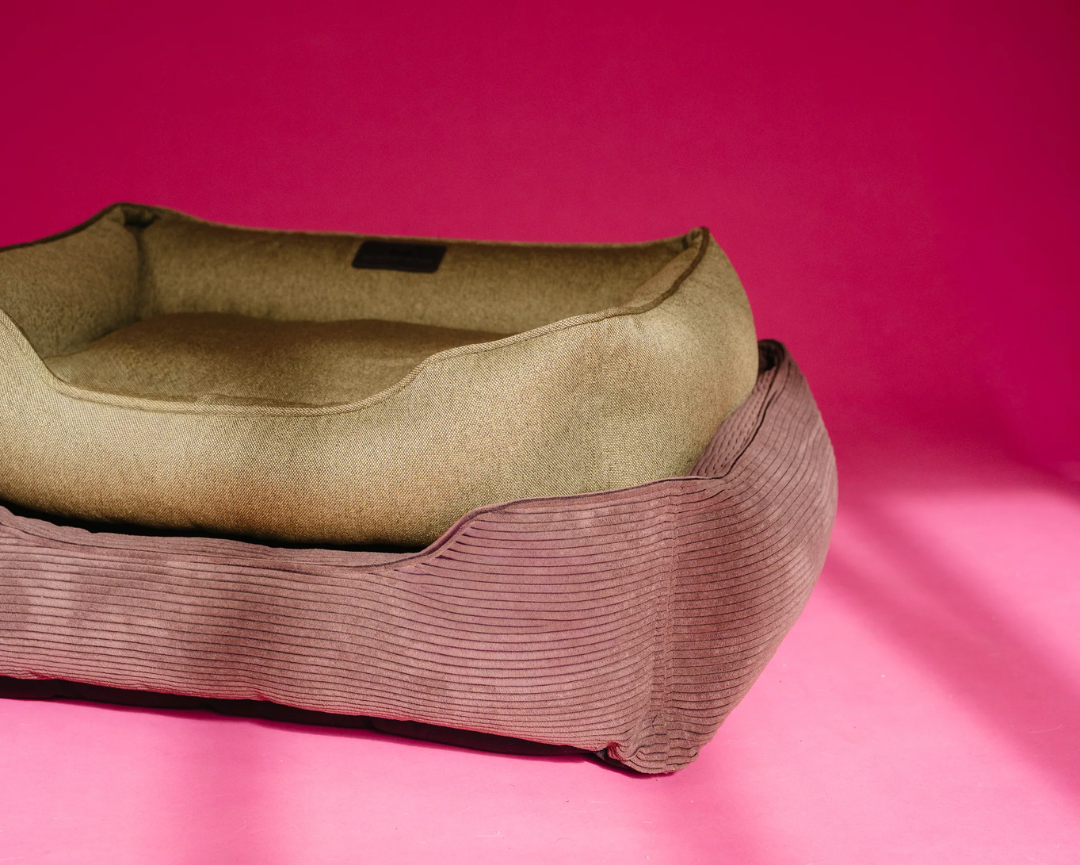
Materials such as cotton, velvet, Oxford fabric, or faux fur-when properly engineered-can provide both comfort and functional breathability. Fillings like holofiber support airflow within the structure, helping prevent internal moisture accumulation.
In modern pet care, dog beds are increasingly viewed as part of the animal’s therapeutic environment. This principle is reflected in Chester & Lee products, where breathable materials, hypoallergenic textiles, removable covers, and air-permeable fillings are combined to support the dog’s natural skin physiology rather than disrupt it.
What Is the Key to Prevention?
Maintaining proper hygiene of the resting environment is a fundamental preventive measure.
- Wash the bed at least once per week
- Use temperatures of ≥60°C (140°F) to inactivate microorganisms
- Ensure complete drying to prevent recontamination
- Regularly remove hair, dust, and debris
These steps help reduce microbial load and maintain a stable, skin-friendly environment.
When Can a Dog Bed Become a Source of Skin Problems?
Clinical indicators may include:
- Persistent or recurrent itching after resting
- Localized redness in contact areas
- Musty or yeast-like odor from the bed
- Recurrence of infections after treatment
In such cases, the bed may act as a source of re-exposure and reinfection.
Clinical Takeaway
A dog bed should be considered part of the animal’s dermatological ecosystem. Its properties can either support or compromise skin barrier function.
Even the most effective medical treatment may fail if the dog continues to be exposed to an environment that promotes irritation or microbial overgrowth.
Ultimately, a well-designed dog bed is not only about comfort-it is about controlling environmental factors that directly influence skin health.